
How Metabolism Affects Your Ability to Lose Weight Quickly
At Triad Primary Care in Greensboro, NC, we help you understand how metabolism impacts your ability to lose weight. Factors like age, genetics, and muscle mass play a significant role in how quickly you can shed pounds. Our dedicated team works with you to develop a customized weight loss plan that takes metabolism into account, ensuring long-term success. For more information, contact us or book an appointment online. We are conveniently located at 1309 Lees Chapel Rd., Greensboro, NC 27455.
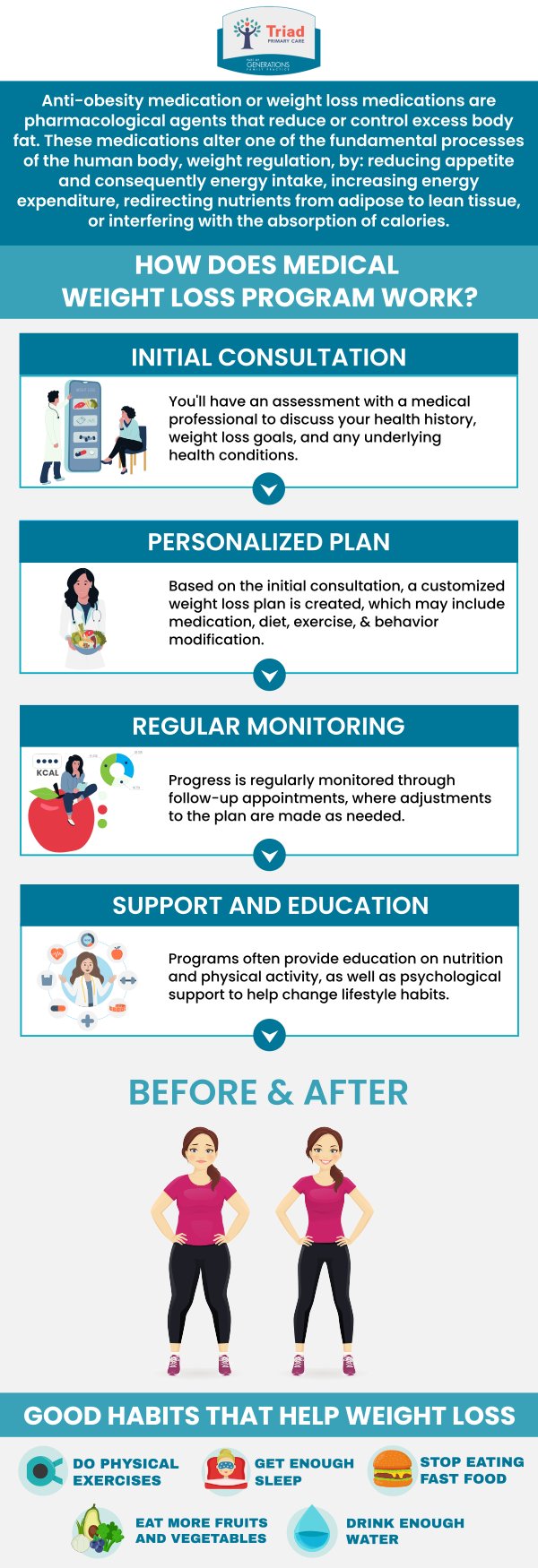
Table of Contents:
What Is Metabolism, and How Does It Affect Weight Loss?
How Can a Slow Metabolism Impact My Ability to Lose Weight Quickly?
Can I Speed Up My Metabolism to Lose Weight Faster?
What Foods Can Help Boost My Metabolism for Quicker Weight Loss?
Personalized Metabolic Weight Loss Support at Triad Primary Care in Greensboro, NC
Metabolism refers to how your body converts the food and drinks you consume into energy needed for daily functions like breathing, circulation, and movement. It includes your basal metabolic rate (BMR), which represents the calories your body burns at rest, along with the energy used during physical activity and digestion.
When your metabolism is working efficiently, your body burns calories at a steady rate, making it easier to maintain or lose weight. However, metabolism is influenced by several factors such as age, muscle mass, hormones, and overall health. At Triad Primary Care in Greensboro, NC, providers recognize that metabolism is not the same for everyone and plays a major role in how easily someone can lose weight.
If your metabolic rate is slower, your body burns fewer calories throughout the day, which can lead to weight gain or difficulty losing weight. That’s why understanding metabolism is essential for creating a successful weight loss plan that focuses on both calorie intake and how your body uses energy.
A slow metabolism can significantly affect how quickly you lose weight. When your body burns calories at a lower rate, it becomes easier to store excess energy as fat rather than using it for fuel. This often leads to slower progress, even when you’re following a healthy diet or exercise routine.
Metabolism naturally slows with age due to factors like hormonal changes and loss of muscle mass. Muscle tissue burns more calories than fat, so when muscle mass decreases, your body’s calorie-burning ability declines as well.
In addition, factors such as poor sleep, chronic stress, hormonal imbalances, and low activity levels can further slow metabolic function. These challenges make weight loss more complex and require a more personalized approach rather than a one-size-fits-all solution.
At Triad Primary Care, patients receive comprehensive evaluations to identify these underlying factors. Addressing metabolic barriers directly helps create a more effective and realistic path toward weight loss success.
While you cannot completely change your baseline metabolism, you can take steps to improve how efficiently your body burns energy. One of the most effective ways is by building lean muscle through strength training, as muscle burns more calories than fat—even at rest.
Regular exercise that combines resistance training with cardiovascular activity helps improve metabolic function and supports calorie burning throughout the day. Staying physically active also prevents the slowdown that often comes with a sedentary lifestyle.
Nutrition plays a key role as well. Eating balanced meals that include adequate protein helps preserve muscle and supports metabolic processes. At Triad Primary Care, personalized nutrition plans are often part of weight management programs to ensure patients are fueling their bodies effectively.
In certain cases, medically supervised options such as weight loss medications may be considered to support metabolism and appetite control. These are used as part of a comprehensive plan rather than as a standalone solution.
While no single food can dramatically speed up metabolism on its own, certain foods can support your body’s ability to burn calories more efficiently. A well-balanced diet is essential for maintaining a healthy metabolic rate.
Protein-rich foods such as lean meats, fish, eggs, and legumes are especially beneficial because they require more energy to digest and help maintain muscle mass. This can contribute to a higher calorie burn throughout the day.
Whole foods like vegetables, fruits, whole grains, and healthy fats provide essential nutrients that support overall metabolic function. Staying hydrated is equally important, as water plays a key role in energy production and digestion.
At Triad Primary Care in Greensboro, NC, patients receive personalized dietary guidance that focuses on sustainable eating habits. This approach helps support metabolism while promoting long-term weight loss success without extreme restrictions.
At Triad Primary Care, weight loss is approached with a focus on understanding each patient’s unique metabolism and overall health profile. Instead of relying on generalized plans, the team evaluates factors such as lifestyle, hormonal balance, and medical history to develop a customized strategy.
Their medical weight loss programs are designed to address the root causes of weight challenges, helping patients improve metabolic function while achieving steady, sustainable results. From nutritional guidance to medically supervised treatments, every step is tailored to support long-term success.
With a patient-centered approach, Triad Primary Care in Greensboro, NC helps individuals overcome metabolic barriers and build healthier habits. This personalized care ensures that weight loss is not only achievable but also maintainable for the future. For more information, contact us or book an appointment online. We are conveniently located at 1309 Lees Chapel Rd., Greensboro, NC 27455. We serve patients from Greensboro NC, Browns Summit NC, McLeansville NC, Oak Ridge NC, Summerfield NC, and surrounding areas.
Check Out Our 5 Star Reviews



Additional Services You May Need
▸ Covid-19 Testing
▸ Medical Weight Loss
▸ Physical Exams
▸ Addiction Treatment
▸ Primary Care
▸ Lab Testing



 Send Text
 How May I Help You?